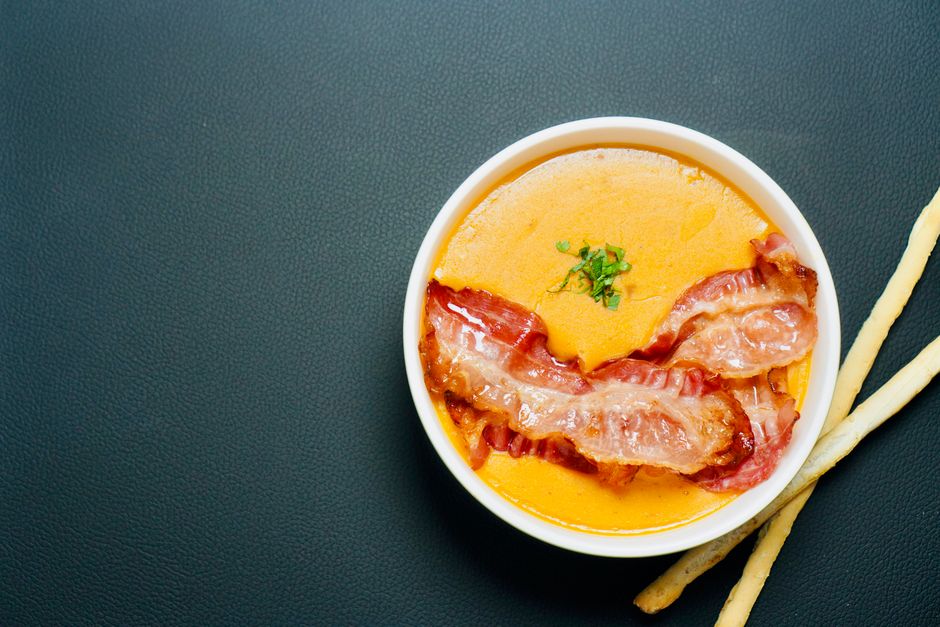
New England clam chowder is one of the most recognizable bowls in American coastal cooking, and its character depends heavily on the clams that go into it. Littleneck clams, small and firm with a sweet, briny profile, are a common choice for chowder because they offer both texture and a concentrated flavor that holds up against cream, potato, and bacon. The dish sits at the intersection of simple pantry ingredients and careful seafood handling, which is why the process matters as much as the ingredient list.
This article describes a practical approach to preparing a creamy chowder from fresh littlenecks, from selecting and cleaning the shellfish to shucking, building the base, and adding dairy without breaking the broth. The framing is deliberately process-oriented: each step is presented as a method with a reason behind it, so the cook can adapt to the size of the clams, the fat content of the dairy, and the equipment on hand. The notes on shucking and curdling are included because those are the two points where chowder most often diverges from expectations.
Nothing here functions as a guarantee of a particular result. Clam freshness, potato variety, burner strength, and timing all interact, and the guidance below treats those variables as part of the method rather than as obstacles to be eliminated.
Selecting and Preparing Littleneck Clams
Littlenecks are typically harvested at a small size and are sold live in the shell, which means selection begins with the shellfish itself. Clams should feel heavy for their size and appear closed, or should close when tapped lightly against a hard surface. A clam that stays open and does not respond to a tap is generally set aside rather than cooked. The shells should be intact and free of strong off-odors; the expected aroma is clean and sea-like rather than sharp or sour.
Storage before cooking is a practical concern. Live clams benefit from a cool, damp environment with some airflow, and they should not sit in a sealed container of fresh water, which is a common misconception. Many cooks keep them in a bowl covered with a damp towel in the refrigerator and use them within a day or two of purchase. Some cooks also purge them in salted water for a period before cooking, though the necessity depends on how the clams were handled after harvest.
Cleaning is straightforward but worth doing deliberately:
- Rinse the shells under cool running water and scrub the exterior with a stiff brush to remove sand and grit.
- Discard any clam with a cracked shell, a persistent open gap, or a distinct sulfurous odor.
- If purging, submerge the clams in salted water for roughly twenty to thirty minutes, then rinse again.
- Keep the clams cool until the moment they are shucked or steamed.
The rinsing step is not merely cosmetic. Grit that remains on the shell can end up in the chowder, and because chowder is a thick liquid, suspended sand is difficult to remove once it is in the pot. A clean exterior and a careful visual check reduce that risk.
Shucking Clams and Capturing the Liquor
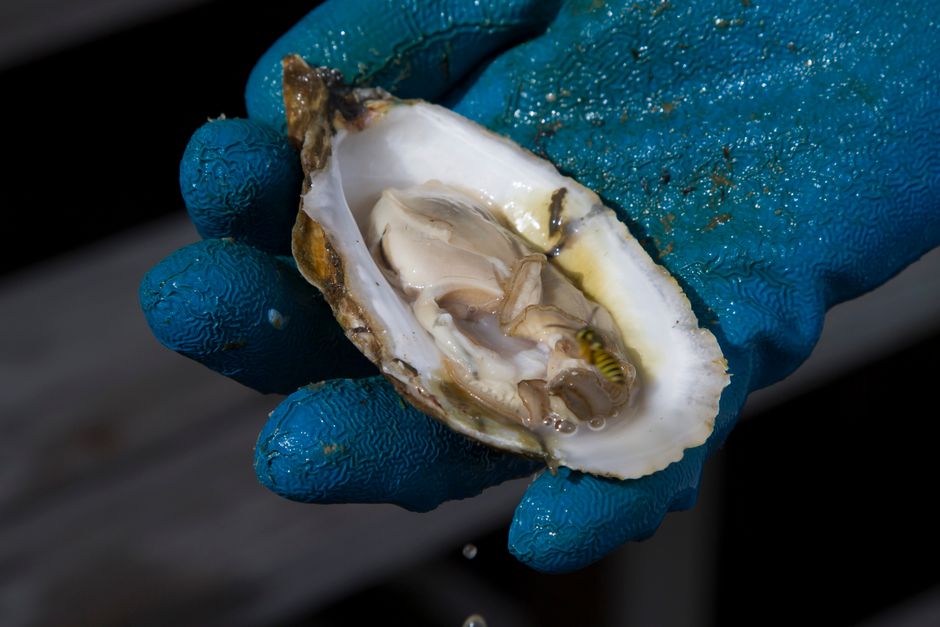
Shucking is the step where most cooks feel the least confident, and it is also where much of the chowder’s flavor is decided. The goal is to open the shell without damaging the meat and to preserve the liquid that the clam releases, which is concentrated and salty. A clam knife, or a sturdy blunt-tipped knife, is inserted at the hinge or along the seam, depending on the shell’s shape, and worked gently until the adductor muscle is cut. Forcing the blade risks cracking the shell and introducing fragments into the meat.
A common alternative is a brief steam. Placing the clams in a covered pot with a small amount of water or wine for a few minutes causes most of them to open, after which the meat can be removed easily. The cooking liquid from that steam is then strained and reserved as part of the chowder base. This method is less precise than hand-shucking but is often more approachable for a home cook, and it produces a broth that carries the clam’s briny character.
Either way, the reserved liquor should be strained through a fine-mesh sieve or a sieve lined with a coffee filter or cheesecloth. Clam liquor can carry fine sand and sediment, and a single pass through a coarse strainer is usually not enough. The strained liquid is then added back to the pot at the appropriate stage, and it is worth tasting before it goes in, since its saltiness varies considerably from batch to batch.
Shucking is less about force and more about locating the muscle and cutting it cleanly. A damaged clam releases grit and loses the liquor that gives chowder its depth.
Building the Base: Bacon, Aromatics, and Potatoes
The base of a New England chowder is built in layers, and the order matters for both flavor and texture. Bacon is typically rendered first in a heavy pot, and the rendered fat is used to soften onions and, in some versions, celery or leeks. The bacon itself is often removed and reserved as a garnish, then returned near the end so that it retains some crispness rather than softening into the broth. The fat left in the pot carries the smoke and salt that define the chowder’s profile.
Potatoes are the structural element of the dish. Waxy potatoes hold their shape and give the chowder a distinct, chunky texture, while starchy varieties tend to break down and thicken the liquid. Many coastal cooks use a combination, allowing some pieces to dissolve and others to remain intact. The potatoes are usually added with a portion of the clam liquor or water and simmered until just tender, since they will continue to cook when the dairy is added.
Thyme, bay leaf, and black pepper are common additions, and the seasoning should be adjusted with the saltiness of the clam liquor and bacon in mind. Adding salt early, before the liquor is in the pot, is a frequent source of oversalted chowder. The base is typically simmered until the potatoes are nearly done but still offer slight resistance, at which point the clams and dairy are brought in.
Adding Dairy and Avoiding Curdling
Curdling is the most common failure point in creamy chowder, and it is usually a matter of heat and acid rather than of the dairy itself. Milk and cream are emulsions, and when they are exposed to high heat, prolonged boiling, or a sudden change in acidity, the proteins can coagulate and separate into visible grains. The practical implication is that dairy should be added late, over low heat, and brought only to a gentle simmer rather than a rolling boil.
A second safeguard is tempering. Rather than pouring cold milk into a hot pot, a ladle of the hot broth can be whisked into the dairy first, warming it gradually before the mixture is returned to the pot. This reduces the thermal shock that contributes to separation. Some cooks also add a small amount of flour or a roux earlier in the process, which provides starch that helps stabilize the emulsion and gives the chowder body.
Acidity is the other variable. Clam liquor, wine, and tomatoes can all lower the pH of the mixture, and lower pH makes dairy proteins more likely to coagulate. In a traditional chowder the acid load is modest, but the timing still matters: adding dairy after the clams and liquor have been incorporated and the pot has been reduced to a low simmer is generally more predictable than adding it early. If a chowder does begin to show graininess, the cause is usually heat rather than the ingredients themselves.
Clams themselves should be added near the end. Littlenecks are small and become tough when cooked for long periods, so they are typically folded in during the final few minutes and heated through rather than simmered extensively. This preserves their texture and keeps the chowder from taking on an overcooked, rubbery quality. The pot is then held at a low temperature, seasoned carefully, and served, with the reserved bacon and perhaps a few oyster crackers alongside. A chowder made this way is a study in sequencing: each ingredient enters when its own characteristics call for it, and the cook’s attention to heat, salt, and timing is what holds the bowl together.